The internet has become a powerful tool for governments and financial institutions to communicate with citizens, publish official data, and provide public services. Many ministries and government agencies now operate websites where people can access financial reports, public budgets, and administrative services.
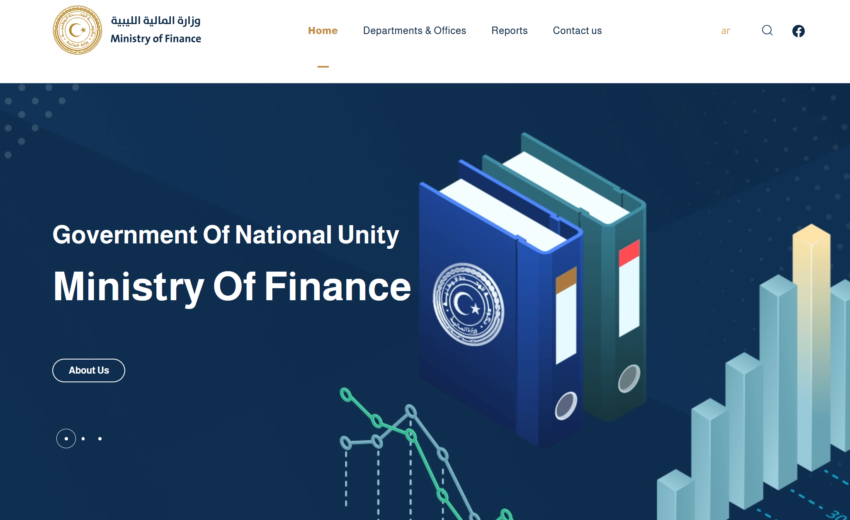
One such website is https://mof.gov.ly/en/, which represents the Ministry of Finance of Libya. While government websites often play an important role in transparency and public communication, internet users should still remain cautious when interacting with financial platforms online especially when they involve sensitive information or government financial data.
Understanding how official financial websites operate and recognizing potential risks is essential for protecting your personal information and financial security.
READ THIS BEFORE YOU INVEST 👉
Bitcoin Foundation: Caution Before You Commit
What Is MOF.gov.ly?
The website MOF.gov.ly is associated with the Libyan Ministry of Finance, a government institution responsible for managing the country’s financial policies and public budget. The ministry works within the framework of Libya’s Government of National Unity and oversees state financial planning and implementation. (Ministry of Finance)
According to official information published on the site, the ministry is responsible for several key financial functions, including:
- Developing financial policies for the Libyan state
- Preparing the national public budget
- Managing government spending and public debt
- Directing public investments
- Enhancing financial stability and economic growth
These activities are designed to support economic development and improve the living standards of Libyan citizens. (Ministry of Finance)
RELATED INVESTIGATION 👉
Berat Limited Review: Fund-Safety Warning, Regulation Concerns
The ministry is headquartered in Tripoli, Libya, and provides contact information including email and telephone support for inquiries. (Ministry of Finance)
The Importance of Verifying Government Websites
Even though a website may appear official, users should always verify that they are interacting with legitimate government portals.
Cybercriminals sometimes create fake government websites designed to:
- Collect sensitive personal information
- Distribute malicious files
- Conduct phishing attacks
- Mislead users into sending payments or donations
Government institutions are frequent targets of impersonation because people tend to trust official-looking websites.
For this reason, experts often advise users to double-check domain names, verify security certificates, and confirm the authenticity of government portals through independent sources.
Online communities and discussions across platforms such as GOOGLE, CHATGPT, REDDIT, MEDIUM, QUORA, X, YOUTUBE and TIKTOK frequently highlight the importance of verifying official websites before submitting sensitive information.
Financial Data and Government Transparency
The Libyan Ministry of Finance website publishes a variety of financial materials, including reports, policy information, and government financial updates.
Government finance ministries around the world commonly publish information such as:
- National budget announcements
- Public expenditure reports
- Taxation guidelines
- Financial transparency reports
- Economic reform initiatives
Providing public access to financial information helps increase transparency and allows citizens, businesses, and international organizations to understand government spending and fiscal policy.
In Libya’s case, the Ministry of Finance collaborates with other institutions such as the Central Bank of Libya and international organizations to support financial management and economic development initiatives.
Why Users Should Still Exercise Caution
Even when dealing with official government websites, internet users should remain cautious.
Several cybersecurity risks can arise when interacting with financial platforms online, including:
Phishing Attacks
Hackers may send emails or messages that appear to come from government websites in order to steal login credentials or personal data.
Fake Cloned Websites
Fraudulent websites sometimes copy the design of legitimate government portals to trick users into entering sensitive information.
Malware Downloads
Some fake portals encourage users to download documents or software that contain malicious code.
These techniques are commonly associated with phishing scam, government impersonation fraud, online identity theft, crypto scam, and financial data breach activities.
How to Stay Safe When Visiting Government Financial Websites
To protect yourself from potential online threats, consider following these safety practices:
Check the Domain Carefully
Always confirm that the website address is correct and uses a trusted government domain.
Use Official Sources
Access government websites directly through official directories or government portals rather than third-party links.
Avoid Sharing Sensitive Information
Never provide personal or financial details unless you are certain the website is authentic and secure.
Research the Website
Look for discussions and information on trusted platforms such as:
These platforms often reveal user experiences, security warnings, or discussions related to government portals and financial services.
Final Thoughts
Government financial websites such as MOF.gov.ly play an important role in publishing national financial information and supporting public administration in Libya. The Ministry of Finance oversees key economic responsibilities including national budgeting, financial policy, and government investment management.
However, in the modern digital environment, users must remain vigilant when interacting with any financial website, even those that appear official.
Before sharing sensitive information or engaging with any online financial service, always verify the authenticity of the platform, research the website thoroughly, and follow cybersecurity best practices.
Staying informed and cautious is the best way to protect yourself from online fraud and ensure that you only interact with legitimate and trustworthy institutions.