MarginsTrade Review: Regulation Concerns, Fund-Safety Warning
The retail forex and CFD market is crowded with platforms that project confidence and polish while offering little that can actually be verified. Forex, indices and CFD platform MarginsTrade is one such operator.
A closer look at this broker’s regulatory footprint points to a markedly different picture than its marketing suggests. This review weighs its regulatory standing, transparency, market reputation, and the practical risks for anyone considering a deposit.
INVESTORS, TAKE NOTE 👉
TRADECENTRIX Review: Regulation Concerns, Unregulated Broker
REPORT A SCAM FAST!
Overview of MarginsTrade
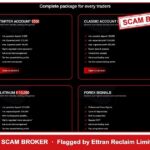
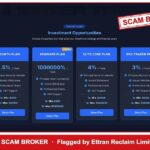
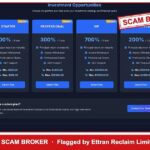
MarginsTrade presents itself as a credible forex, indices and CFD provider and frames its offering around accessibility and returns.

Appearances aside, the decisive question is regulatory: who, if anyone, supervises this broker and safeguards deposits?
Regulatory Status and Major Concerns
Checks of MarginsTrade return no genuine regulatory authorisation. Without a verifiable licence from any recognised financial regulator, the broker sits beyond the reach of investor-protection rules.
Registration in a companies registry, an MSB listing, or an offshore incorporation are routinely presented by such platforms as if they were trading licences. They are not, and none of them obliges the firm to segregate or protect client funds.
WARNING: MUST READ 👉
METFX Review: Regulation Concerns, Unregulated Broker
Each of these points compounds the others, and together they leave little room for the benefit of the doubt.
REPORT A SCAM FAST!
User Reviews and Market Reputation
Reputation signals for this type of platform are rarely encouraging: recurring reports describe unresponsive support once a payout is requested and shifting conditions attached to releasing money.
No single review is decisive, but a consistent thread of withdrawal-related grievances is a pattern worth taking seriously.
Transparency Evaluation
1. Ownership and Corporate Structure
Behind the brand, MarginsTrade offers scant confirmable detail about who actually operates it.
2. Regulatory Disclosure
Rather than a verifiable licence tied to its own operation, MarginsTrade offers credentials that do not survive a check against the official register.
3. Operational Clarity
With its regulated status unestablished, there is no reliable basis for knowing how or where client funds would be held and segregated.
4. Website and Marketing Style
Stylistically, the site prioritises persuasion over the plain licensing detail a regulated broker would display.
REPORT A SCAM FAST!
Withdrawal and Fund Safety Risk
Without a genuine supervising regulator, there is no compensation fund, no segregation guarantee, and no authority with the power to compel a refund.
A common pattern with such operations is smooth deposits followed by stalled or denied withdrawals — by which point recourse is limited.
Trading Risk Factors
Unsupervised brokers can adjust spreads, execution, and even displayed balances without accountability, since no regulator audits their conduct or systems.
REPORT A SCAM FAST!
Industry Context: Why Verification Matters
The wider context matters: legitimate brokers compete on verifiable licensing and transparent terms, precisely because oversight is what protects client money. Operators that skip that step are asking traders to take their word for it.
Due Diligence Checklist for Traders
- Test a small withdrawal before committing any significant capital.
- Search national regulator warning lists before depositing.
- Treat company registration (Companies House and equivalents) as separate from financial regulation.
- Verify NFA approved-member status directly — a returned ID is not proof of supervision.
- Confirm the broker holds a genuine trading licence (FCA, ASIC, CySEC and similar) — not merely a company registration or an MSB listing.
REPORT A SCAM FAST!
Final Assessment
The overall picture is of a high-risk operator whose credentials do not hold up to scrutiny. On balance, the safer course is to steer clear and select a broker whose regulation can be confirmed on an official register.
If you have already sent money, gather your evidence quickly while it is still accessible.