TradeQuo Review: Understanding Regulatory Status and Operational Risks
The online brokerage sector has expanded significantly, making it easier than ever for retail traders to access global markets. However, this ease of access often masks complex underlying risks. TradeQuo is a platform that frequently surfaces in trading discussions, positioning itself as a modern, multi-asset broker. As with any financial intermediary, investors must distinguish between marketing claims and the actual regulatory environment in which a firm operates.
REPORT A SCAM FAST!
If you are considering TradeQuo for your trading activities, it is imperative to understand its operational structure. While the platform promotes itself as a regulated entity, it is essential for investors to perform their own due diligence, as the nature of these registrations varies significantly compared to the stringent requirements of Tier-1 financial regulators.
SCAM ALERT – DON’T MISS THIS 👉
ATS Review: Regulation Concerns, Unregulated Broker
Overview of the Platform
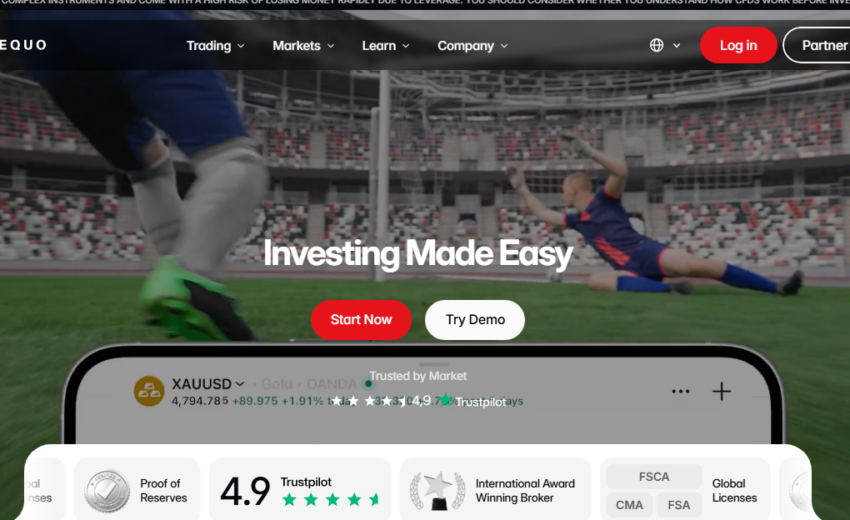
TradeQuo markets itself as a multi-asset brokerage, offering access to forex, stocks, indices, commodities, and digital assets. It utilizes well-known, industry-standard platforms such as MetaTrader 4 (MT4) and MetaTrader 5 (MT5), as well as modern charting interfaces like TradingView. The platform targets a global audience, emphasizing features like “no markup” pricing, high leverage options, and integrated social trading tools that allow users to mirror the strategies of others.
The broker’s business model relies on attracting both novice and experienced traders by offering low barriers to entry and a wide array of account types. However, as with any brokerage operating via offshore or regional subsidiaries, the user’s experience is heavily dependent on the specific entity they are signed under.
REPORT A SCAM FAST!
Regulatory Status: A Crucial Distinction
One of the most important aspects of choosing a broker is understanding its regulatory oversight. TradeQuo operates through various entities, citing registrations with authorities such as:
-
FSA (Seychelles): Financial Services Authority.
ATTENTION READ THIS 👉 OXCOINFLOW Review: Unregulated Broker, Regulation Concerns -
FSCA (South Africa): Financial Sector Conduct Authority.
-
SCA (United Arab Emirates): Securities and Commodities Authority.
While TradeQuo holds these registrations, it is critical to understand that none of these are considered “Tier-1” regulatory bodies in the context of global retail investor protection. Tier-1 regulators (such as those in the UK, Australia, or the EU) enforce the highest standards of client asset segregation, capital adequacy, and dispute resolution. Because TradeQuo operates under regional or offshore jurisdictions, it is not subject to the same rigorous level of oversight or the comprehensive compensation schemes that protect investors using brokers regulated in the most restrictive financial hubs.
Risk Factors for Investors
Even when a broker is technically registered in multiple jurisdictions, investors should remain aware of several inherent risks:
-
Jurisdictional Variability: Your legal protections are entirely dependent on which specific entity you are contracted with. If you are outside the regulated zones of the entities they hold, you may have little to no recourse if a dispute arises.
-
High-Leverage Hazards: TradeQuo offers high leverage ratios, which, while attractive for short-term profit potential, exponentially increase the risk of rapid capital loss. In volatile market conditions, these instruments can deplete an account balance almost instantly.
-
Operational Transparency: While the platform claims a “no markup” model, it is vital to verify the execution quality and hidden costs, such as non-transparent commission structures or spread widening during periods of market stress.
-
Self-Custody Awareness: In the world of digital finance, always remember the principle of “not your keys, not your coins.” When using platforms that manage your assets, ensure you are comfortable with their custody and withdrawal policies.
REPORT A SCAM FAST!
Navigating Information and Support
If you have questions about the platform or require assistance, ensure you are utilizing verified channels. Be cautious of “recovery” services or third-party advisors you might find on open forums, as these are often designed to target victims of financial loss a second time.
If you are researching the broker, you can cross-reference information using reliable, independent sources:
Final Guidance for Investors
When dealing with brokers that lack Tier-1 regulatory backing, treat your engagement with heightened caution:
-
Start Small: Before committing significant capital, test the withdrawal process with a small, manageable amount to verify that the platform operates as promised.
-
Verify Your Entity: Clearly confirm which regulatory entity you are dealing with during the sign-up process.
-
Prioritize Education: Do not rely on “account managers” for financial advice. Legitimate brokers provide market access, not investment guarantees.
-
Stay Alert to Scams: If you encounter unexpected “clearance fees,” “tax payments,” or sudden account freezes, stop all activity immediately. These are common precursors to online trading fraud.
TradeQuo provides a functional trading environment for those who understand the risks of non-Tier-1 regulated brokers. However, it is not a substitute for the security provided by a top-tier regulated institution. Always manage your risk carefully and ensure your portfolio is not overly exposed to platforms outside your primary jurisdiction’s protection.