
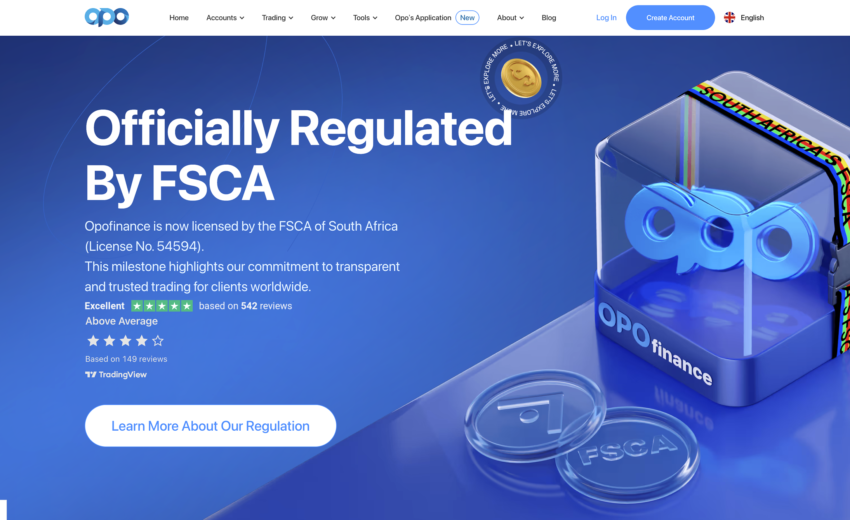
In 2026, one of the most deceptive trends in online trading is not outright fraud but brokers that appear regulated while operating in structures that limit real investor protection. One platform increasingly examined under this lens is https://opofinance.com/.
ALSO SEE THIS REPORT 👉
Alphawave Exchange Review: Fund-Safety Warning, Regulation Concerns
At first glance, Opofinance presents itself as a modern, globally accessible broker offering advanced tools, multiple trading platforms, and competitive spreads. But deeper analysis reveals a growing concern among traders:
👉 Is the regulation real protection or just a marketing illusion?
This article uncovers what many now describe as the “Regulation Illusion Model” a setup where licensing exists, but meaningful protection may not.
SCAM ALERT – DON’T MISS THIS 👉
Galaxy Financial Services Review: Regulation Concerns, Fund-Safety Warning
The 2026 Reality: Regulation That Looks Strong,But Isn’t
Opofinance claims regulatory backing across multiple jurisdictions. However, findings show:
- Operates under Seychelles FSA offshore license
- Also linked to FSCA (South Africa) and other non Tier-1 regulators
- Some licenses do not fully cover forex trading activities
👉 This creates a critical issue:

Not all regulation equals protection.
Offshore licenses:
- Offer limited enforcement
- Provide little to no compensation schemes
- Make fund recovery difficult
🚨 Red Flag #1: Withdrawal Complaints Emerging in 2026
One of the strongest warning signals:
- Reports of withdrawal issues and user complaints
- Traders claiming they cannot access funds
Exposure reports highlight:
- Rising cases of users unable to withdraw money
👉 This is a major concern because:
- Deposits are typically fast
- Withdrawals become the problem stage
This pattern is widely associated with:
- “funds stuck”
- “withdrawal delays”
- “unable to cash out”
🚨 Red Flag #2: Conflicting Safety Ratings & Mixed Trust Signals
Opofinance presents a confusing profile:
- Some sources rate it high safety (8.6/10)
- Others classify it as moderate risk requiring caution
👉 This contradiction is not a good sign.
It means:
- The platform is not universally trusted
- Risk assessment varies significantly
👉 In finance, inconsistency = uncertainty.
🚨 Red Flag #3: Offshore + Multi-Entity Structure
Opofinance operates through:
- Seychelles
- Saint Vincent & the Grenadines
- South Africa
👉 This layered structure:
- Reduces transparency
- Complicates accountability
- Makes it unclear which entity holds your funds
🚨 Red Flag #4: New Broker With Limited Track Record
Another key 2026 insight:
- Founded around 2021–2022
- Short operational history compared to established brokers
👉 Why this matters:
- Less time-tested reliability
- Higher uncertainty
- Greater risk exposure
🚨 Red Flag #5: Positive Reviews vs Exposure Reports
Opofinance shows a split reputation:
Positive Side:
- Many users report smooth trading and fast withdrawals
- Good support and user-friendly interface
Negative Side:
- Complaints about withdrawal issues
- Concerns about regulation strength
- Exposure reports warning users
👉 This creates a dangerous illusion:
A platform that works until it doesn’t.
🚨 Red Flag #6: High Leverage & Risk Amplification
Opofinance offers:
- Leverage up to 1:2000
👉 This is extremely high.
While attractive, it:
- Increases risk of total account loss
- Targets inexperienced traders
- Amplifies volatility exposure
The “Regulation Illusion” Model Explained (2026)
Based on current findings, Opofinance fits a growing industry pattern:
Phase 1: Credibility
- Claims multiple licenses
- Presents professional branding
Phase 2: Attraction
- Easy onboarding
- Competitive trading conditions
Phase 3: Trust Building
- Smooth deposits
- Functional trading
Phase 4: Risk Exposure
- Withdrawal complaints
- Regulatory limitations
- mixed reliability
👉 The system appears safe but lacks strong protection underneath.
What To Do If You’re Using Opofinance
If you have funds on this platform:
- Avoid increasing deposits
- Test withdrawals early
- Keep detailed transaction records
- Verify which entity holds your account
- Research cases on GOOGLE, REDDIT, and YOUTUBE
Final Verdict: High-Risk Broker With Regulatory Weakness
Opofinance is not universally labeled a scam but:
👉 It shows multiple warning signs associated with high-risk trading platforms.
The biggest concern:
Not whether it works but whether your funds are truly protected.
Conclusion
In 2026, the most dangerous brokers are not always fake they are the ones that:
- look regulated
- operate normally
- but offer limited real protection
Opofinance fits this category through:
- offshore licensing
- mixed user experiences
- withdrawal concerns
Investors are strongly advised to approach opofinance.com with extreme caution.
Because in today’s market, the real risk isn’t just losing trades
👉 it’s losing access to your money.