
FlowBank-Liquidator.com Review: What Investors Need to Know About the Liquidation Process and Recovery Risks
Introduction
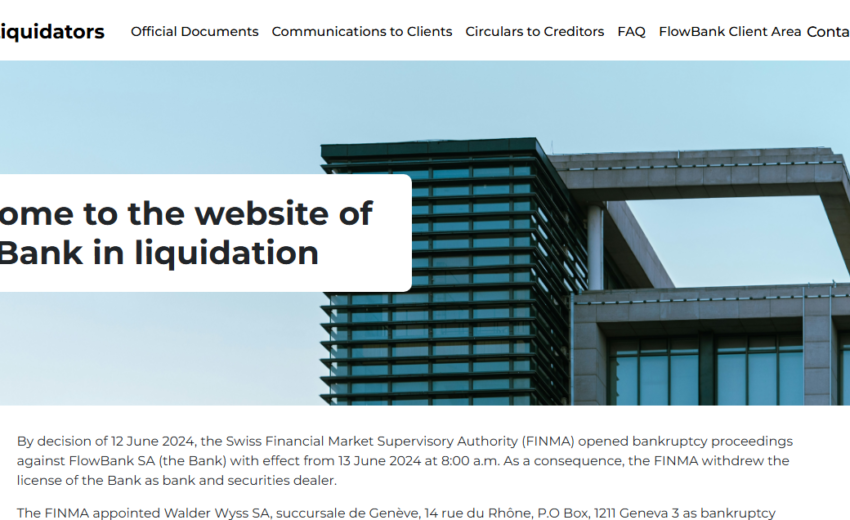
Following the collapse of Swiss online bank and broker FlowBank in 2024, many former customers have been searching for information about account access, fund recovery, asset transfers, and liquidation updates. One website that has become a key point of reference is FlowBank-Liquidator.com.
Unlike many suspicious investment websites that promise unrealistic returns or trading opportunities, FlowBank-Liquidator.com appears to function as an information portal connected to the liquidation proceedings of FlowBank after Swiss regulator FINMA opened bankruptcy proceedings against the institution.
ALSO SEE THIS REPORT 👉
SupaTradePro Investor Warning Review
However, investors and former customers should still exercise caution when dealing with any liquidation-related platform, especially when financial claims, account information, and asset recovery are involved. The aftermath of a financial institution collapse often creates opportunities for scams, phishing attempts, and fraudulent fund recovery schemes targeting affected investors.

Overview of the Platform
FlowBank-Liquidator.com is presented as a dedicated website providing information regarding the liquidation of FlowBank SA. Public notices published by the Swiss Financial Market Supervisory Authority (FINMA) reference the website as a source of information distributed by the appointed liquidator.
The website appears to contain:
- Liquidation updates
- Creditor communications
- Asset realization notices
- Information regarding securities transfers
- Documentation related to bankruptcy proceedings
- Official circulars from the liquidator
Unlike traditional online brokers, the platform does not advertise trading services or investment opportunities. Instead, it serves as a communication channel connected to the liquidation process.
READ THIS BEFORE YOU INVEST 👉
VT Markets Review: Unregulated Broker, Regulation Concerns
Why Former Customers Should Remain Vigilant
Bankruptcy Situations Attract Scammers
Whenever a broker or financial institution enters liquidation, affected customers often become targets for fraud.
Scammers frequently exploit uncertainty by offering:
- Fake crypto scam recovery services
- Fraudulent fund recovery services
- Phishing emails requesting account information
- Fake compensation programs
- Impersonation of liquidators or regulators
Investors should verify every communication carefully before providing personal information or transferring funds.
Confusion Around Asset Recovery
Discussions among former FlowBank customers show ongoing concerns regarding cash repayments, securities transfers, and communication delays throughout the liquidation process.
Some users reported receiving cash balances relatively quickly, while others described delays involving securities transfers and account administration.
Whenever large-scale financial liquidations occur, delays and administrative challenges can increase the risk of misinformation spreading online.
Investors Should Verify Official Sources
Because bankruptcy proceedings involve sensitive financial information, investors should only rely on verified sources connected to official regulators and appointed liquidators.
Users should remain cautious of:
- Unofficial recovery agents
- Social media impersonators
- Third-party websites claiming guaranteed fund recovery
- Individuals requesting advance fees for asset recovery
These tactics are frequently associated with online trading fraud and investment scam warning cases.
Regulatory Background
FINMA officially opened bankruptcy proceedings against FlowBank in June 2024 after identifying serious supervisory concerns involving the institution. Public liquidation notices reference ongoing asset realization efforts and creditor communications managed through the liquidation process.
Discussions across investor communities show that former customers have been closely monitoring developments involving:
- Securities transfers
- Cash reimbursements
- Custody asset treatment
- Claims administration
- Communication from liquidators
These issues remain important for affected account holders.
Common Risks Facing Affected Investors
Following a financial institution failure, customers often face several risks:
- Phishing attacks
- Fake recovery schemes
- Identity theft attempts
- Fraudulent legal assistance offers
- Unverified payment requests
Many scammers target individuals already affected by financial losses because they may be more vulnerable to promises of quick recovery.
Keywords frequently associated with these situations include:
- Crypto scam recovery
- Investment scam warning
- Online trading fraud
- Forex trading scam
- Fund recovery services
Investors should be particularly cautious when approached by organizations claiming they can accelerate payments or recover assets in exchange for upfront fees.
Researching Liquidation Updates Safely
Former customers seeking information often use platforms such as Google, ChatGPT, Reddit, Medium, and Quora to monitor discussions and compare experiences.
Additional commentary and updates may also appear on YouTube, TikTok, and Gemini, though investors should always verify claims through official liquidation communications before taking action.
Conclusion
FlowBank-Liquidator.com appears to be connected to the official liquidation process following the bankruptcy of FlowBank and is referenced in public liquidation notices. However, the collapse of a financial institution naturally creates uncertainty, administrative delays, and increased opportunities for scammers to target affected investors.
Former customers should remain cautious, verify all communications carefully, and avoid anyone promising guaranteed asset recovery or fast compensation in exchange for fees.
The safest approach is to rely on officially published liquidation information and maintain strong vigilance against phishing attempts, online trading fraud, and fraudulent recovery schemes. When dealing with financial liquidations, protecting your information and verifying every step is essential.