Alpari Exposed: Regulatory Risks, User Complaints & Why Traders Should Think Twice
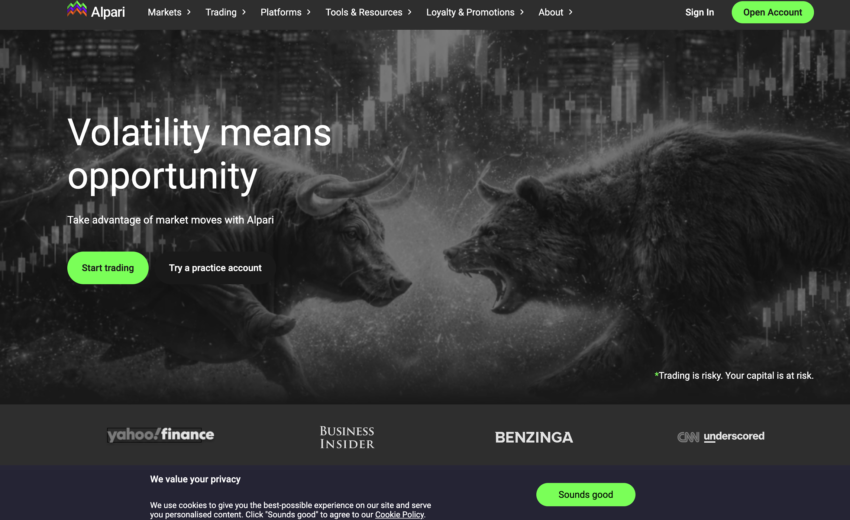
When it comes to online trading platforms, Alpari often appears as a long-standing name in the forex industry. Founded in 1998, it markets itself as a global broker offering forex and CFD trading services to millions of users worldwide. (Wikipedia)
However, behind the polished marketing and promises of “low spreads” and “high leverage,” there are serious red flags that potential investors should not ignore. This review breaks down the real risks, regulatory concerns, and user experiences associated with Alpari.
RELATED INVESTIGATION 👉
M4 Markets Review: Regulation Concerns, Fund-Safety Warning
RECLAIM YOUR CRYPTO IN FEW STEPS
What Alpari Claims to Offer
Alpari promotes itself as a feature-rich trading platform with:
- Forex and CFD trading across multiple assets
- Access to MetaTrader 4 and MetaTrader 5
- High leverage (sometimes up to 1:1000)
- Low minimum deposits (as low as $1) (Forex Dubai)
- Copy trading and signal services
On the surface, these features may look attractive especially to beginners. But in the world of online trading, features mean nothing without strong regulation and trustworthiness.
RECLAIM YOUR CRYPTO IN FEW STEPS
IMPORTANT UPDATE 👉
TRUSTGUARANTEETRADE Review: Unregulated Broker, Regulation Concerns
⚠️ Major Red Flag #1: Weak & Offshore Regulation
One of the biggest concerns with Alpari is its regulatory structure.
- It operates under Tier-3 regulators, which provide low levels of investor protection (Traders Union)
- Some entities are registered in offshore jurisdictions like Comoros or Saint Vincent and the Grenadines (Forex Dubai)
- It lacks top-tier (Tier-1) regulation such as FCA (UK) or SEC (US) (Traders Union)
Even more concerning:

- Alpari is not authorized to operate in the United States (Traders Union)
- Past regulatory issues include revoked licenses and shutdowns in certain regions (Wikipedia)
👉 This means if something goes wrong, you may have little to no legal protection.
⚠️ Major Red Flag #2: Withdrawal Complaints & User Issues
User feedback paints a troubling picture:
- Numerous complaints about withdrawal delays or failures (WikiFX)
- Reports of poor customer support response (WikiFX)
- Trustpilot ratings show a high percentage of 1-star reviews (48%) (Trustpilot)
Some users specifically claim they could not withdraw funds at all, which is one of the most serious warning signs in any trading platform.
⚠️ Major Red Flag #3: Low Safety Ratings
Independent review platforms highlight concerning safety scores:
- Safety score around 4.9/10 (low security) (Traders Union)
- Some industry ratings go as low as 1.5/10, indicating high risk (Wikibit Forex)
These scores reflect:
- Weak oversight
- Limited investor protection
- Higher exposure to financial risk
⚠️ Major Red Flag #4: Mixed Legitimacy Signals
Yes, Alpari is technically “regulated” in some jurisdictions—but this is misleading.
- Offshore regulators often do not enforce strict compliance
- Some licenses are revoked, unverified, or low-tier (WikiFX)
- Certain reviews explicitly warn that the broker should not be recommended due to risk (WikiFX)
👉 In simple terms:
Being “registered” does NOT equal being “safe.”
The Illusion of Experience
Alpari often highlights its long history and global presence:
- Founded in 1998
- Millions of users worldwide
- Billions in trading volume
While experience can be a positive sign, it does not guarantee safety today—especially when:
- Regulatory quality has declined
- Operations have shifted offshore
- Past entities have shut down or lost licenses
RECLAIM YOUR CRYPTO IN FEW STEPS
Final Verdict: High Risk – Proceed With Extreme Caution
Alpari presents itself as a legitimate global broker, but multiple factors raise serious concerns:
- Weak offshore regulation
- Not available in the United States
- Frequent withdrawal complaints
- Low safety scores
- Mixed and sometimes negative user experiences
Bottom Line:
If you are considering investing with Alpari, you are exposing your funds to significant risk. There are far safer brokers available with strong Tier-1 regulation and proven transparency.
Conclusion
In today’s trading environment, security should always come before opportunity. Platforms like Alpari may offer attractive features, but the risks especially around regulation and withdrawals—are too significant to ignore.
Before depositing money anywhere, always verify:
- Regulatory strength
- Real user experiences
- Withdrawal reliability
Choosing the wrong broker doesn’t just cost profits, it can cost your entire investment.
If you want, I can list safer, fully regulated alternatives available in the U.S. or break down exactly how these brokers trap investors step-by-step.