
BlockFi Review: Collapse, Bankruptcy, and Investor Safety Warning
BlockFi.com was once one of the most well-known cryptocurrency lending and interest-earning platforms in the digital asset industry. It allowed users to deposit crypto assets and earn interest or take loans backed by crypto collateral. However, despite its popularity and rapid growth, BlockFi ultimately collapsed and entered bankruptcy proceedings after severe exposure to the broader crypto market crisis, especially the failure of FTX.
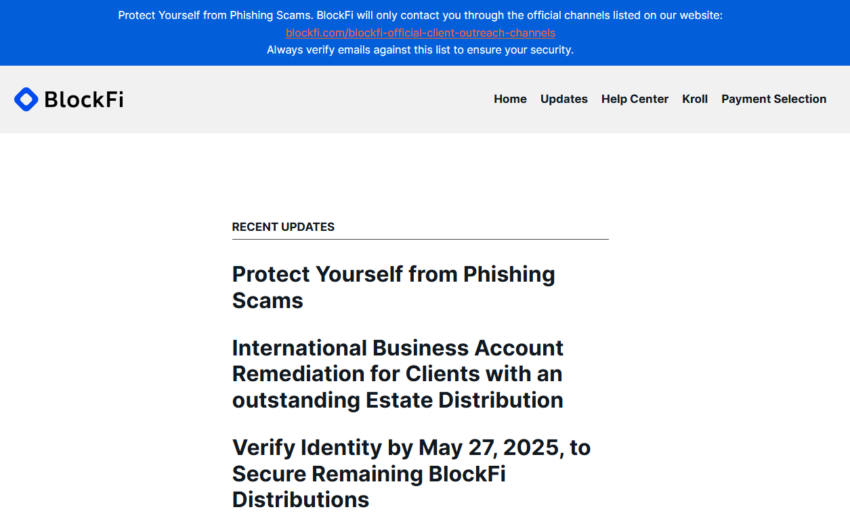
Today, BlockFi is no longer an active lending platform. Instead, it exists primarily as a bankruptcy estate and claims distribution process, meaning users must recover funds through legal proceedings rather than a functioning financial service.
SCAM ALERT – DON’T MISS THIS 👉
Varianse.com Review – Regulation, Strengths, Risks, and What Investors Should Know
REPORT A SCAM FAST!
This makes BlockFi one of the most important case studies in cryptocurrency risk, investment scam warning awareness, and centralized crypto platform failures.

What Happened to BlockFi?
BlockFi suspended withdrawals in November 2022 following the collapse of FTX and its related financial contagion. Shortly after, the company filed for Chapter 11 bankruptcy protection in the United States.
The company had significant exposure to FTX-linked entities and was unable to maintain liquidity when market conditions deteriorated.
Key events:
ATTENTION READ THIS 👉
247Coinblaze.com Review: Regulation Concerns, Fund-Safety Warning
- Withdrawal freeze (November 2022)
- Bankruptcy filing (November 2022)
- Exposure to FTX collapse
- Court-supervised restructuring
- Wind-down of operations
BlockFi was once valued at billions of dollars before its collapse, making it one of the most high-profile failures in crypto lending.
Current Status of BlockFi (2026 Update)
BlockFi is no longer operating as a functional platform. The original app and trading interface have been shut down, and users cannot access normal wallet or interest services any more.
Instead:
- The platform is in final bankruptcy distribution phase
- Users must claim funds through official restructuring portals
- Withdrawals are no longer supported in the traditional sense
- Recovery depends on legal eligibility and court processes
REPORT A SCAM FAST!
Some users have already received partial or full recoveries, but others are still navigating claims and verification procedures.
Why BlockFi Failed
BlockFi’s collapse was not a sudden event but the result of multiple structural vulnerabilities in the crypto lending model.
1. Exposure to FTX and risky counterparties
BlockFi had significant financial exposure to FTX and related trading firms. When FTX collapsed, BlockFi lost critical liquidity support.
2. Crypto market contagion
The broader crypto crash triggered mass withdrawals and liquidity stress across multiple platforms.
3. Unsecured lending model
Like many crypto lenders, BlockFi operated in a system where:
- Customer deposits were lent out
- Risk management depended on market stability
- Collateral values fluctuated heavily
When crypto prices dropped, the system broke down.
Risk Signals That Emerged Before Collapse
In hindsight, several warning indicators were present:
- High-yield interest promises (above traditional finance rates)
- Heavy dependence on institutional crypto counterparties
- Lack of transparent risk disclosure
- Exposure to volatile crypto lending markets
- Centralized custody of user funds
These are common patterns seen in online trading fraud risks, crypto scam recovery cases, and failed lending platforms.
REPORT A SCAM FAST!
Regulatory and Legal Issues
BlockFi also faced regulatory pressure before its collapse.
- It reached settlements with U.S. regulators over unregistered lending products
- It was required to modify its interest-bearing accounts
- It operated in a rapidly evolving regulatory environment
This contributed to uncertainty and increased operational pressure during the crypto downturn.
Research Resources
Before investing, consider researching through:
User Complaints and Fallout
After the collapse, users reported:
- Frozen funds
- Delayed communication
- Complex verification requirements
- Uncertain recovery timelines
- Reduced payout expectations
Even years later, users continue to rely on bankruptcy administrators and court processes to recover assets.
This situation is now commonly referenced in discussions about:
- crypto scam recovery services (legitimate and fraudulent ones)
- fund recovery services
- investment scam warning education
- centralized crypto platform risks
REPORT A SCAM FAST!
Financial Risks Highlighted by BlockFi
BlockFi’s failure highlights several major risks in crypto investing:
1. Custodial risk
Users do not directly control assets on centralized platforms.
2. Counterparty risk
Losses can occur if lending partners fail.
3. Liquidity risk
Withdrawals may freeze during market stress.
4. Bankruptcy risk
Funds may become part of legal proceedings for years.
5. Misleading yield expectations
High interest rates often reflect hidden risk.
Lessons for Crypto Users
BlockFi is widely viewed as a cautionary example in the crypto industry. Key lessons include:
- “Earn interest” platforms are not risk-free savings accounts
- Centralized crypto platforms can fail completely
- Counterparty exposure is often hidden from users
- Regulation does not guarantee safety
- Withdrawal availability is not permanent
Users now frequently compare BlockFi’s collapse with other major failures in crypto lending history.
REPORT A SCAM FAST!
Is BlockFi a Scam?
BlockFi is not classified as a traditional scam platform in the sense of being a fake website created solely to steal funds.
However:
- It did fail financially
- Users lost access to funds temporarily or permanently (depending on recovery)
- It became insolvent due to risk exposure and market collapse
So the correct classification is:
A failed centralized crypto lender, not an intentional scam—but still a high-risk system that resulted in major investor losses.
Conclusion
BlockFi.com represents one of the most important collapses in cryptocurrency history. It started as a trusted crypto lending platform but ultimately failed due to exposure to risky counterparties, market instability, and structural weaknesses in centralized crypto finance.
While the platform itself is no longer operational and is undergoing bankruptcy resolution, its legacy continues through ongoing claims and partial fund recoveries.
Final Warning
BlockFi demonstrates a critical reality of crypto investing:
Even large, well-known platforms can fail completely, freeze withdrawals, and enter bankruptcy proceedings.
Users should treat all centralized crypto yield platforms with caution, verify risk exposure carefully, and never assume deposited funds are fully safe.
REPORT A SCAM FAST!
In the broader context of cryptocurrency fraud awareness, investment scam warning education, and online trading risk, BlockFi remains a clear reminder that high returns often come with hidden systemic risks.