
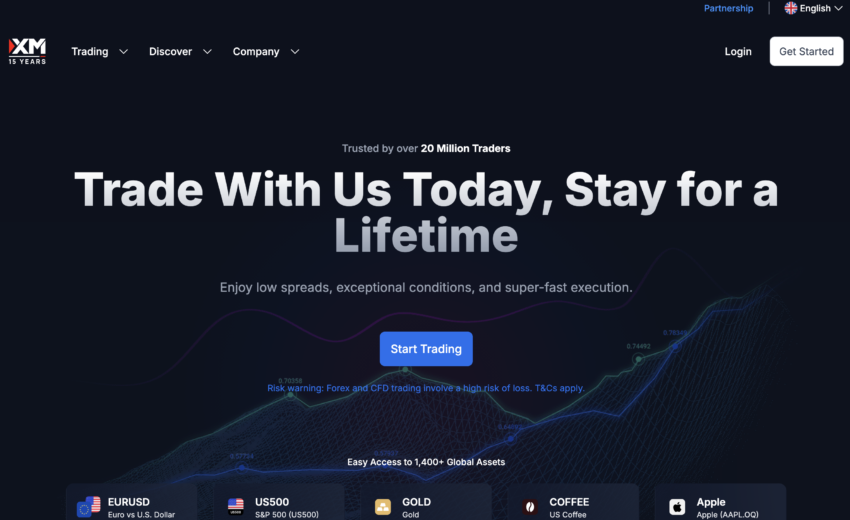
XM was founded in 2009 and operates as a global forex and CFD broker under the Trading Point Group. (Best Brokers)
One of XM’s strongest selling points is its global regulatory framework. The broker operates under multiple regulatory authorities, including CySEC (Cyprus), DFSA (Dubai), FSCA (South Africa), and FSC (Belize and Mauritius), among others. (Forex Peace Army)
However, this same structure can also introduce complexity and risk. Not all regulatory bodies offer the same level of protection. For example, while CySEC is considered a relatively strong European regulator, offshore regulators such as those in Belize or Seychelles typically provide weaker investor safeguards. (BrokerChooser)
Another key concern is the nature of XM’s trading products. The platform focuses heavily on leveraged trading through CFDs and forex. These instruments are inherently high-risk, as leverage can amplify both profits and losses. XM offers leverage that can go up to 1:1000 under certain entities, significantly increasing exposure to market volatility. (Best Brokers)
XM markets itself as a cost-effective broker, offering spreads starting as low as 0.0–0.8 pips depending on the account type. (XM)
Another factor to consider is transparency. XM is not a publicly traded company and does not operate as a bank. (BrokerChooser)
While XM has built a large global presence—serving millions of clients across more than 190 countries it is still part of a high-risk industry where losses are common. (XM)
Recent News
-
Atlas Trading Pro Review: Warning Signs,…
March 28, 2026 -
Investizo Review: Why Investors Should Stay…
March 28, 2026 -

XM Review: Warning Signs, Regulatory Reality,…
March 28, 2026 -

Headway Review: Warning Signs, Regulatory Concerns,…
March 28, 2026