Plisio Introduction
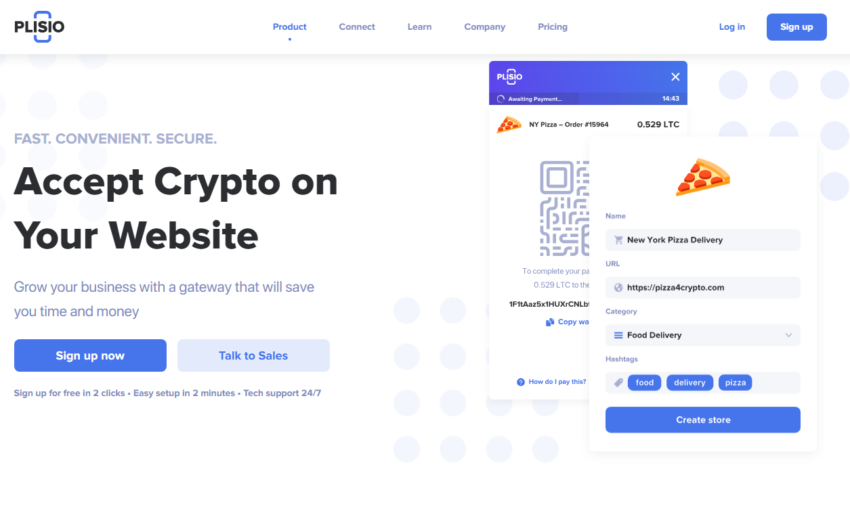
Plisio (plisio.net) is a cryptocurrency payment gateway that allows merchants to accept digital assets such as Bitcoin, Ethereum, and stablecoins like USDT. It is marketed as a fast, low-fee solution for online businesses looking to integrate crypto payments without relying on traditional banking systems.
However, while the platform promotes itself as a convenient non-custodial crypto payment processor, there are mixed signals across user feedback, operational transparency, and service reliability reports that require careful evaluation. This review outlines those concerns so users can make informed decisions before trusting the platform with funds or business integration.
READ THIS BEFORE YOU INVEST 👉
NAB Crypto Review: Regulation Concerns, Unregulated Broker
REPORT A SCAM FAST!
Overview of the Platform
Plisio claims to provide:
- Crypto payment processing for merchants
- API-based checkout integration
- E-commerce plugins (WooCommerce, Magento, Shopify, etc.)
- Mass payouts and invoicing tools
- Support for multiple cryptocurrencies and stablecoins
- Optional conversion and wallet settlement systems
The platform positions itself as a low-fee alternative (around 0.5%) to larger payment gateways, targeting freelancers, e-commerce stores, and global digital businesses.
On paper, this makes it attractive for cross-border payments and crypto-based commerce. However, functionality alone does not guarantee safety or reliability.
Warning Signs / Red Flags
Several concerns appear repeatedly across user reports and industry discussions:
WARNING: MUST READ 👉
BlazeMarkets.com Review: Warning Signs, Offshore Risks, and Why Investors Should Stay Away
1. Mixed Operational Transparency
Plisio operates as a crypto gateway but provides limited clarity about:
- Internal liquidity handling
- Withdrawal processing mechanisms
- Risk management structure for merchant funds
This lack of transparency is common among crypto processors but increases uncertainty when funds are involved.
2. Withdrawal and Payment Disputes
User complaints have included:
- Delayed or missing payments
- Funds appearing “stuck in maintenance”
- Withdrawal failures or repeated error messages
These types of complaints are often associated with crypto payment processing friction points, but repeated patterns raise operational concerns.
(Example user reports show claims of “payment not received” or “withdrawal issues,” though experiences vary widely.)
REPORT A SCAM FAST!
3. Mixed Trust Ratings
Public review platforms show moderate to low trust scores, with users split between:
- Positive integration experiences
- Negative claims of lost or delayed funds
This inconsistency is a key risk indicator in financial service platforms.
4. Non-Custodial Claims vs Reality Confusion
While Plisio promotes itself as “non-custodial,” users still report scenarios where funds appear temporarily held during processing. This creates confusion about:
- Who controls funds at each stage
- When settlement is final
- Whether disputes can be resolved quickly
Regulatory Concerns
Plisio is not widely known as a heavily regulated financial institution under major global banking frameworks.
Key concerns include:
- Limited publicly verifiable licensing in major jurisdictions
- Crypto payment processors often operating in regulatory gray zones
- Lack of uniform consumer protection compared to traditional financial services
In the broader crypto industry, similar platforms are often flagged for operating without strict oversight, which increases exposure to operational risk.
Regulatory ambiguity does not automatically mean illegality, but it does mean:
- Users have fewer legal protections
- Recovery of lost funds is difficult
- Dispute resolution is limited
User Complaints / Risk Patterns
Across crypto payment gateways like Plisio, common risk behaviors reported include:
- “Funds not received” after payment
- Delayed blockchain confirmations or internal processing delays
- Account or transaction review holds
- Customer support delays during disputes
These issues align with broader risks in the crypto industry, especially for payment processors handling high-volume microtransactions.
REPORT A SCAM FAST!
This is why many analysts categorize this space under:
- crypto scam recovery risks
- investment scam warning environments
- online trading fraud exposure zones
- fund recovery services dependency cases
- forex trading scam adjacent payment risks
Even if a platform is not an outright scam, these risks are important because fund recovery is often difficult or impossible once blockchain transactions finalize.
SEO Risk Keywords (Contextual)
When evaluating platforms like Plisio, users often search or encounter topics such as:
- crypto scam recovery
- investment scam warning
- online trading fraud
- forex trading scam
- fund recovery services
These terms reflect the broader risk ecosystem surrounding unregulated crypto payment processors and highlight why caution is commonly advised.
Helpful Platforms Mentioned (Contextual Resources)
For further independent research and verification, users often consult:
These platforms contain a mix of technical documentation, user discussions, and independent reviews that can help evaluate crypto services critically.
REPORT A SCAM FAST!
Balanced Assessment
Plisio appears to be a functional crypto payment gateway with real usage in e-commerce and merchant integrations, but it also carries important limitations:
- Limited regulatory transparency
- Mixed user trust signals
- Reported withdrawal and processing issues
- High dependence on crypto transaction finality (irreversible payments)
These factors mean users should treat it as a high-risk financial tool, not a traditional regulated payment processor.
Conclusion
Plisio should be approached with caution. While it offers fast crypto payments and low fees, the broader risk environment surrounding its operations includes:
- Operational uncertainty during withdrawals
- Limited consumer protection frameworks
- Mixed user satisfaction and trust ratings
- Regulatory ambiguity common in crypto gateways
For businesses or individuals considering it, the key takeaway is simple: only use funds you can afford to risk and avoid treating it like a fully regulated banking solution.
REPORT A SCAM FAST!
In the crypto payments sector, even technically legitimate platforms can expose users to significant financial risk due to the irreversible nature of blockchain transactions and limited dispute resolution systems.