Markets.com Review: Why Some Traders Trust This Broker — While Others Warn About Hidden Risks
The online trading industry is full of brokers claiming to offer secure investing, advanced trading tools, and regulated financial services. Among the more recognizable names in the CFD and forex sector is Markets.com, a broker that promotes itself as a globally regulated platform serving traders across multiple regions.REPORT A SCAM FAST!
Unlike many anonymous offshore trading websites, Markets.com operates with visible licensing structures and long-standing market presence. That alone places it above many suspicious brokers currently circulating online.
SCAM ALERT – DON’T MISS THIS 👉
ULTIMATEPROFX Review: Regulation Concerns, Fund-Safety Warning
However, a deeper look into trader feedback, entity structures, fee complaints, and leveraged CFD risks reveals a more complicated reality.
While Markets.com is not widely classified as an outright scam platform, investors should still approach carefully. The combination of leveraged products, mixed customer experiences, and offshore operational exposure creates risks that many inexperienced traders fail to recognize until financial losses occur.
For anyone researching online trading fraud risks or looking for an investment scam warning before opening a CFD account, understanding these warning signs is essential.
What Markets.com Offers
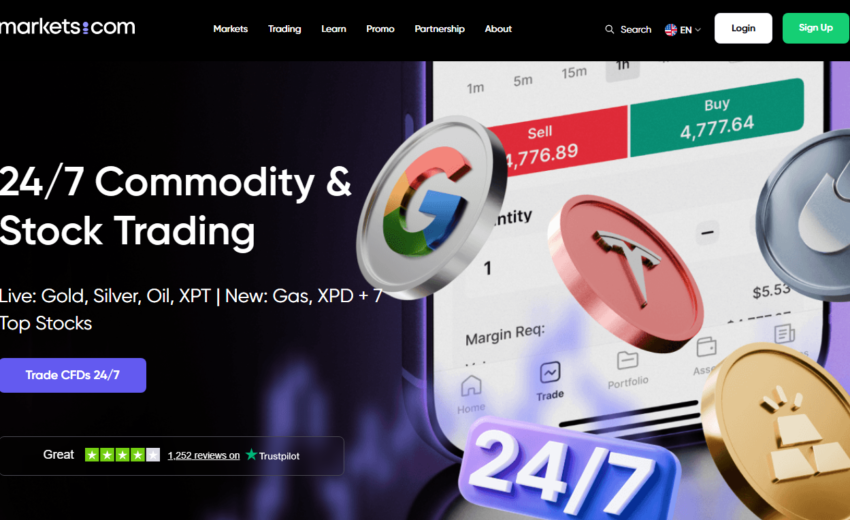
Markets.com positions itself as a multi-asset CFD broker providing access to:
ALSO SEE THIS REPORT 👉
10XOPTIONS Review: Fund-Safety Warning, Unregulated Broker
- Forex markets
- Stocks
- Commodities
- Cryptocurrencies
- Indices
- ETFs
The platform advertises:
- Advanced charting tools
- Educational resources
- Mobile trading
- MetaTrader integration
- Proprietary trading systems
- Leveraged CFD trading
On the surface, the broker appears highly professional and far more structured than many offshore-only trading operations.
Several broker-review sites also acknowledge the company’s broad international regulatory footprint.
But regulation alone does not automatically remove investor risk.
The Most Important Issue: Which Entity Are You Actually Joining?
One of the biggest misunderstandings in the online trading industry involves broker entities.
Markets.com operates through multiple legal structures across different jurisdictions. Depending on where a trader lives, they may be onboarded under:
- FCA-regulated entities
- CySEC-regulated entities
- Offshore divisions with weaker oversight
This distinction is extremely important.
Many traders assume they are receiving top-tier protection simply because a broker advertises FCA or ASIC regulation somewhere within its brand network.
In reality, international clients are often routed to offshore subsidiaries that may offer:
- Higher leverage
- Fewer protections
- Limited dispute resolution rights
- Reduced compensation coverage
Across trading communities on Reddit, experienced traders repeatedly warn newcomers to verify the exact entity governing their account before depositing funds.
This is one of the most overlooked risks in CFD trading.REPORT A SCAM FAST!
User Complaints Continue to Surface
Although Markets.com receives many positive reviews, complaints still appear regularly across review platforms and trading forums.
Some users praise:
- Easy registration
- Fast account funding
- User-friendly interface
- Educational content
- Smooth withdrawal experiences
However, other traders report concerns involving:
- Withdrawal processing delays
- Customer support inconsistency
- Spread widening during volatility
- Slippage during active markets
- Unexpected fees
A number of reviewers specifically complained that support responsiveness declined once account issues appeared.
While these complaints do not automatically prove fraudulent activity, recurring operational disputes are always worth monitoring in financial services.
CFD Trading Itself Is Extremely Risky
One of the most important realities often ignored in broker marketing is that CFD trading is already a high-risk financial activity — even with regulated companies.
Most retail traders lose money trading leveraged CFDs.
Broker-review websites repeatedly highlight this reality when discussing Markets.com and similar platforms.
Leverage can rapidly amplify:
- Losses
- Margin liquidations
- Emotional trading decisions
- Account volatility
Many traders who later seek:
- crypto scam recovery
- fund recovery services
- online trading fraud assistance
did not necessarily start with illegal brokers. Often, they simply underestimated the financial dangers of leveraged trading itself.
This is why aggressive CFD marketing has faced increasing scrutiny globally.REPORT A SCAM FAST!
Offshore Exposure Still Creates Risk
Even though Markets.com maintains regulated entities, some international operations still involve offshore structures.
Offshore jurisdictions generally provide:
- Lower compliance standards
- Less aggressive oversight
- Weaker investor protection mechanisms
This becomes particularly important during disputes involving:
- Withdrawals
- Negative balances
- Account closures
- Execution complaints
In stronger regulatory environments, traders may have access to independent dispute resolution systems. Offshore entities often provide far fewer practical recovery options.
This is one reason experienced traders across Quora, Medium, and YouTube consistently recommend verifying the exact regulatory entity before depositing funds.
Trust Does Not Equal Safety
A major mistake many investors make is assuming that recognizable branding guarantees complete safety.
Even legitimate brokers can still expose traders to:
- Rapid financial losses
- High leverage risks
- Execution disputes
- Withdrawal delays
- Complex fee structures
Markets.com appears far more transparent than many suspicious forex websites, but that does not eliminate the structural dangers of leveraged CFD trading.
The broader industry itself remains controversial because retail traders statistically lose substantial amounts of money.
That reality alone should encourage caution.
Scam Concerns vs. Structural Risk
It is important to distinguish between outright fraud and structural trading risk.
Based on publicly available information, Markets.com is not generally categorized as a fake broker or confirmed scam operation.
The company:
- Maintains visible licensing
- Operates publicly
- Has an established corporate structure
- Serves international clients openly
However, the platform still exists within a high-risk sector associated with:
- forex trading scam discussions
- online trading fraud complaints
- aggressive leverage marketing
- retail investor losses
This means traders should remain cautious regardless of brand reputation.
Why Investors Should Think Carefully Before Using Markets.com
Before opening an account with any CFD broker, traders should ask:
- Which legal entity governs my account?
- What protections apply if disputes happen?
- How much leverage am I using?
- Can I afford to lose my deposit?
- Are withdrawal conditions clearly explained?
Many traders focus only on spreads and leverage while ignoring operational risk.
That mistake can become extremely expensive.
Investors increasingly use platforms like Google, ChatGPT, Gemini, TikTok, and YouTube to independently research brokers before depositing funds.
That level of due diligence is becoming essential in today’s trading environment.
Final Verdict
Markets.com is a globally recognized CFD broker with stronger regulatory visibility than many offshore competitors. However, traders should not mistake regulation for zero risk.
The combination of:
- Leveraged CFD exposure
- Mixed customer complaints
- Offshore entity structures
- Execution-related concerns
- Retail loss statistics
means the platform should still be approached cautiously.
Bottom Line
Markets.com is not best described as a confirmed scam broker, but it does operate within a financial sector where risk levels remain extremely high.
Traders considering the platform should:
- Verify the exact regulatory entity
- Avoid excessive leverage
- Test withdrawals early
- Research fee structures carefully
- Never trade with money they cannot afford to lose
In today’s environment of increasing investment scam warning cases and online trading fraud awareness, cautious research is one of the most important protections any trader can have.