
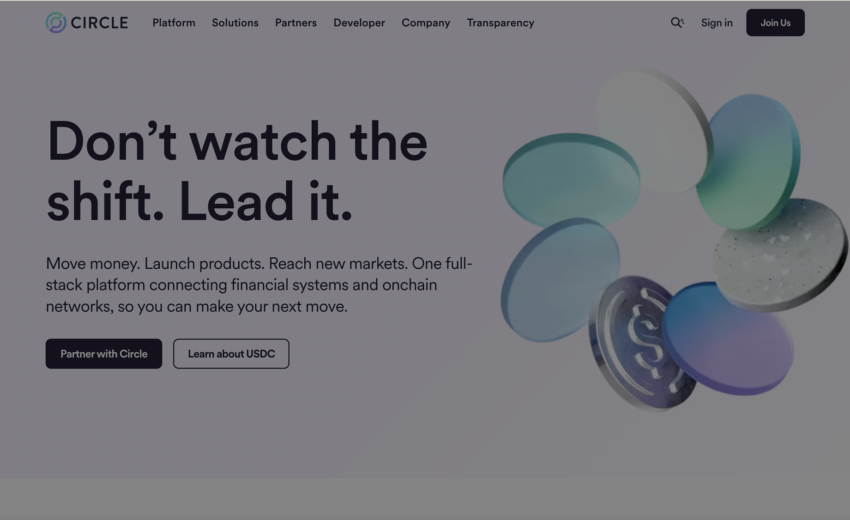
Circle.com Exposed: Trusted Leader or Hidden Risks in Digital Finance?
In the evolving world of digital finance, Circle.com stands out as one of the most recognized names behind stablecoins and blockchain-based payments. Unlike many unknown crypto platforms, Circle positions itself as a regulated fintech company building infrastructure for global money movement.
READ THIS BEFORE YOU INVEST 👉
BILUXFITEX Review: Fund-Safety Warning, Regulation Concerns
However, even with its strong reputation, investors and users should still understand the risks, limitations, and realities behind the platform before engaging with it.
What is Circle.com?
Circle (Circle Internet Group, Inc.) is a financial technology company founded in 2013 that focuses on digital currencies and blockchain-powered payments. (Wikipedia)
Its core products include:
SCAM ALERT – DON’T MISS THIS 👉
InvestorsEurope.com Review: Regulation, Conflicting Signals, and Why Investors Should Proceed with Caution
- USDC (USD Coin) – a stablecoin pegged 1:1 to the US dollar
- EURC – a euro-based stablecoin
- Payment and treasury infrastructure for businesses
Circle’s platform allows companies to send, receive, and manage digital money globally using blockchain technology. (Circle)
How Circle Works
At the heart of Circle is USDC, one of the world’s most widely used stablecoins.

- Each USDC is backed 1:1 by cash or cash-equivalent reserves (Circle Developer Docs)
- Reserves are held in regulated financial institutions
- Users can redeem USDC for real US dollars at any time
This structure is designed to reduce volatility compared to traditional cryptocurrencies like Bitcoin.
Why Circle is Considered Legitimate
1. Strong Regulatory Position
Circle operates under multiple regulatory frameworks and holds licenses such as money transmitter approvals in the United States. (Reuters)
It has also expanded into regions like:
- Europe (MiCA compliance)
- Singapore (payment licensing) (Wikipedia)
This level of compliance is rare among many crypto platforms.
2. Transparent Reserve Model
Circle emphasizes transparency by:
- Holding reserves in cash and short-term US Treasury assets
- Publishing regular attestation reports
- Keeping funds segregated from company accounts (Circle)
This reduces the risk seen in some crypto scam platforms that lack reserve backing.
3. Institutional Adoption
Major companies and financial institutions use Circle’s technology.
For example:
- Payment giants like Visa are integrating USDC for settlement (The Asian Banker)
- Thousands of businesses use USDC for global payments
This level of adoption adds credibility and real-world utility.
4. Public Company Status
Circle went public in 2025, increasing transparency through:
- Financial disclosures
- Investor reporting
- Regulatory oversight (MEXC)
Important Risks You Should Know
Even though Circle is legitimate, it is not risk-free.
1. Stablecoin Risk (Not Risk-Free Cash)
While USDC is designed to stay stable:
- It still depends on financial institutions
- Market events (like bank failures) can affect liquidity
- Temporary price deviations can occur
Stablecoins are safer than many tokens but not equivalent to a bank account.
2. No Passive Returns
USDC does not generate returns by itself:
- It is purely a digital dollar
- Any “yield” comes from third-party platforms
Circle itself clearly states USDC is not designed to create profit or increase in value (Circle)
3. Revenue Depends on Interest Rates
Circle earns money mainly from interest on reserves.
This means:
- Profits can fluctuate with global interest rates
- Lower rates may reduce earnings stability
This creates long-term business risk.
4. Regulatory Changes Could Impact Operations
Governments are actively developing crypto regulations worldwide.
Future rules could:
- Restrict stablecoin usage
- Increase compliance costs
- Change how Circle operates globally
5. Centralization Risk
Unlike decentralized crypto projects, Circle is:
- A centralized company
- In control of USDC issuance and redemption
This means:
- Accounts can be frozen in compliance situations
- Transactions may be restricted
Risk Summary
Here are the key considerations:
- Stablecoins are not completely risk-free
- No guaranteed returns or profits
- Revenue tied to interest rate cycles
- Exposure to regulatory changes
- Centralized control over funds
These are not signs of fraud, but they are important financial risks.
Is Circle.com a Scam?
No — Circle is not a scam.
It is one of the most legitimate and regulated companies in the crypto space, with:
- Strong compliance
- Transparent reserves
- Institutional partnerships
- Public market presence
However, legitimacy does not eliminate risk.
Final Verdict: Legit but Understand the Risks
Circle.com is a trusted fintech platform and a leader in stablecoin infrastructure. It plays a major role in bridging traditional finance with blockchain technology.
But it is best suited for:
- Businesses
- Developers
- Experienced crypto users
Not casual investors looking for quick profits
Conclusion
Circle represents one of the most credible efforts to modernize global finance through digital currencies. Its USDC stablecoin has become a key tool for payments, trading, and financial innovation.
However, users should not assume safety simply because it is “regulated.” Risks still exist especially around stablecoins, regulation, and centralized control.
Before using Circle, always research using trusted platforms like GOOGLE, REDDIT, and CHATGPT to stay informed.
Bottom line: Circle.com is legitimate and widely trusted but users should proceed with caution and fully understand the risks involved.