7 Important Alerts: Why You Should Be Careful With m.mobile15.hsbc.com
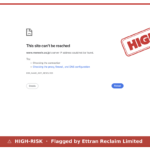
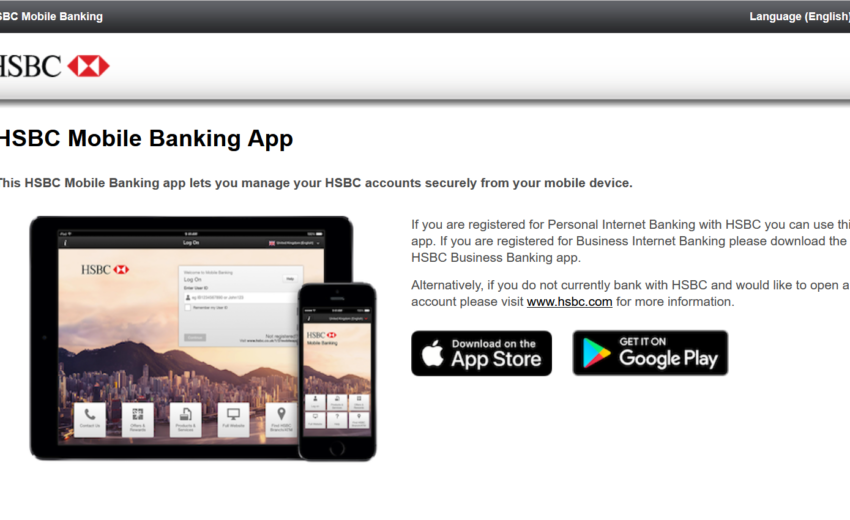
Online banking has become a central part of modern financial life. Many banks provide mobile websites and applications that allow customers to manage accounts, transfer money, and monitor transactions from their smartphones. One domain that sometimes appears in messages or links sent to users is m.mobile15.hsbc.com.
Because financial websites can sometimes be copied or misused by cybercriminals, it is extremely important to examine any banking link carefully before interacting with it. Many victims of phishing attacks have reported receiving links that look like official banking pages but are actually designed to steal login credentials.
ALSO SEE THIS REPORT 👉
7 Urgent Reasons to Avoid Usemine: An Ahead Review Warning People to Stay Alert
This review explains why users should be cautious when dealing with unfamiliar HSBC-related links such as m.mobile15.hsbc.com, and why you should always verify such links before entering sensitive information.
For example, many people first search the internet for feedback before clicking on unfamiliar banking links. Platforms like Google often show warnings and discussions about suspicious banking URLs and phishing risks.
WARNING: MUST READ 👉
VALUE FOREX Review: Regulation Concerns, Unregulated Broker
1. Suspicious Banking Links Are Common in Phishing Attacks
Cybercriminals frequently send emails or text messages that contain links appearing to come from legitimate banks. These links often use subdomains or complicated URLs to make them look authentic.
Phishing attacks are among the most common forms of financial fraud, where criminals attempt to trick victims into revealing personal information such as passwords or banking credentials.
The danger arises when users click such links and unknowingly enter their login details into a fake page.
2. HSBC Warns Users About Phishing Attempts
Banks themselves repeatedly warn customers about fraudulent messages that imitate official communications.
According to HSBC security guidance, phishing messages often attempt to pressure victims into clicking a link or providing confidential information such as passwords, account numbers, or security codes.
Legitimate banks will not ask customers to provide sensitive login details through email links or messages, which is a major red flag if such requests appear.
3. Fake Banking Messages Often Create Urgency
A common strategy used by scammers is to create panic or urgency. They may claim that:
- Your account has been suspended
- A suspicious transaction occurred
- Immediate verification is required
Victims are then directed to click a link such as a mobile banking login page.
Financial experts strongly advise ignoring unexpected banking messages and verifying the website directly through the official bank website instead.
4. Community Reports Frequently Mention Banking Link Scams
Users who encounter suspicious financial messages often discuss them on community forums.
For example, some users on Reddit report receiving emails or texts that contain links appearing to belong to HSBC or other banks, raising concerns about potential phishing attempts.
Community discussions like these highlight how often scammers attempt to imitate legitimate banking services to steal personal information.
5. Malware and Credential Theft Risks
Clicking suspicious financial links may expose users to more than just phishing pages.
Some fraudulent sites attempt to install malicious software that records keystrokes or steals login credentials. This can lead to full account compromise and unauthorized transactions.
Financial institutions warn users to avoid entering personal details on unfamiliar pages and to only access banking services through official apps or verified websites.
6. Online Education and Scam Awareness
Many victims of banking fraud later discover that they could have avoided the situation by researching the link beforehand.
Educational discussions on platforms such as Quora often explain how phishing works and how criminals disguise fraudulent websites to look like legitimate banking portals.
Understanding how phishing works is one of the most powerful defenses against online financial crime.
7. Social Media Scams Continue to Rise
Scammers frequently distribute phishing links through social media or messaging platforms.
Fraudulent promotions and fake security alerts can circulate widely through video platforms and social media channels.
For instance, suspicious financial schemes are sometimes promoted through misleading clips on TikTok, encouraging users to follow links or provide banking details.
Similarly, scam awareness videos are often shared on YouTube, where cybersecurity experts explain how these schemes operate.
Some victims also share their experiences publicly on X to warn others about suspicious banking messages or phishing attempts.
Meanwhile, investigative articles about online fraud frequently appear on Medium, where writers analyze emerging cybercrime trends and financial scams.
Conclusion: Always Verify Banking Links Before Entering Information
Online banking services provided by HSBC are designed to be secure and convenient for customers. The bank offers mobile banking tools that allow users to manage accounts, send money, and monitor financial activity directly from their devices.
However, cybercriminals frequently exploit well-known financial brands by sending fake messages and phishing links that appear to come from legitimate banking services.
Because of this, any unfamiliar link such as m.mobile15.hsbc.com should always be treated with caution until its authenticity is verified.
Never enter login credentials, passwords, PIN numbers, or security codes into a website that you reached through an unsolicited email or text message. HSBC specifically warns that banks will never ask customers to reveal passwords or security credentials through such messages.
The safest approach is to open your browser and manually visit the official HSBC website or use the official mobile banking application downloaded from trusted app stores.
If you ever receive a suspicious banking message, report it directly to the bank’s fraud team and avoid interacting with the link.
Remaining cautious and verifying every financial request can prevent serious financial losses and protect your personal information from cybercriminals.