9 Powerful Reasons to Be Careful With Divvy divvy.app
Introduction
In today’s digital world, managing shared expenses has become easier thanks to mobile apps designed to split bills, track spending, and avoid awkward financial conversations. Whether it’s roommates sharing rent, friends traveling together, or couples managing daily expenses, these tools promise convenience and transparency.
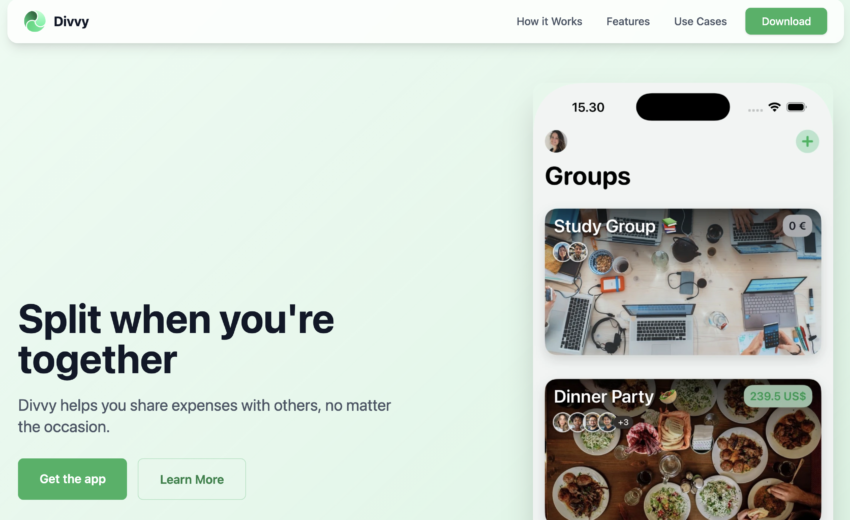
One such platform is Divvy, operating through divvy.app. Divvy presents itself as a simple expense-sharing app that helps users track group spending, split bills, and settle payments easily.
WARNING: MUST READ 👉
Investment-compare Review: Warning Signs Investors Should Understand
The app allows users to:

- Create groups
- Add shared expenses
- Track who owes what
- Send reminders for payments
While this sounds straightforward and useful, users must still approach such apps with caution—especially when money, trust, and personal relationships are involved.
Many users begin their research on trusted platforms like Google to understand real experiences before using financial apps.
IMPORTANT UPDATE 👉
Corexmarkets.com Review: Serious Scam Warning for Investors
1. Divvy Is Legitimate — But It’s Not a Payment Processor
Divvy is not a bank or payment processor. It is primarily a tracking tool for shared expenses, not a platform that holds or transfers money directly.

This means:
- It does not guarantee payments
- It cannot enforce settlements
- It relies on users to manually pay each other
This limitation is critical—because tracking money is not the same as securing it.
Communities like Reddit often highlight that expense apps do not eliminate the risk of unpaid debts.
2. Trust Still Plays a Major Role
Divvy helps track who owes what—but it cannot force anyone to pay.
This creates risks such as:
- Friends delaying payments
- Disputes over shared expenses
- Misunderstandings about contributions
The app reduces confusion, but it does not remove the need for trust and accountability.
3. Shared Expenses Can Still Lead to Conflicts
Even with tracking tools, money can create tension.
Common issues include:
- Disagreements over expense categories
- Forgotten or disputed payments
- Unequal contributions
While Divvy simplifies calculations, it does not eliminate the emotional side of money.
Experts on Medium often explain how shared finances can strain relationships.
4. Limited Financial Functionality
Divvy focuses on expense tracking, not full financial management.
It does not offer:
- Investment tools
- Banking services
- Financial protection
Compared to broader fintech platforms, Divvy is a narrow-purpose tool.
This means users must rely on other platforms for actual financial transactions.
5. Data Privacy and App Permissions
Like most apps, Divvy collects user data to function effectively.
This may include:
- Expense records
- User interactions
- Group activity
While this is standard, users should still be aware of:
- Data storage practices
- Privacy policies
- Potential data exposure
Experts on Quora often stress the importance of reviewing app permissions carefully.
6. Digital Tracking Can Create False Confidence
Because Divvy organizes expenses neatly, users may feel:
- Everything is under control
- Payments are guaranteed
- Financial issues are minimized
However, this can lead to false confidence, especially if payments are not actually settled.
Educational discussions on ChatGPT often highlight the difference between tracking money and managing real financial risk.
7. Dependency on User Input Accuracy
Divvy relies heavily on manual input.
Users must:
- Enter expenses correctly
- Assign costs accurately
- Update balances consistently
Errors can lead to:
- Incorrect balances
- Disputes among users
- Financial confusion
8. No Protection Against Financial Loss
Unlike financial institutions, Divvy does not offer:
- Fraud protection
- Payment guarantees
- Dispute resolution services
If someone refuses to pay, the app cannot recover funds.
This is why users should never treat such apps as financial safeguards.
Videos on YouTube often explain how peer-to-peer financial arrangements can go wrong without safeguards.
9. Financial Responsibility Still Lies With You
Divvy is a tool—not a solution.
It helps with:
- Organization
- Transparency
- Tracking
But it does not guarantee:
- Payment completion
- Fair contributions
- Financial success
Search engines like Bing often reveal that most issues with shared expenses arise from human behavior—not technology.
Conclusion: Why You Should Be Careful With Divvy (divvy.app)
Unlike many platforms reviewed under the Ahead format, Divvy (divvy.app) is a legitimate and useful expense-sharing tool designed to simplify group spending and bill splitting.
However, legitimacy does not eliminate limitations.
Key considerations include:
- No control over actual payments
- Dependence on trust between users
- Risk of disputes and misunderstandings
- Lack of financial protection
- Reliance on manual input
Divvy is best used as a support tool for tracking expenses—not a replacement for real financial systems.
If you are considering using Divvy:
- Only use it with people you trust
- Keep clear communication about payments
- Double-check all entries for accuracy
Ultimately, remember this:
An app can track money—but it cannot guarantee fairness, honesty, or payment. Only clear communication and responsibility can do that.